



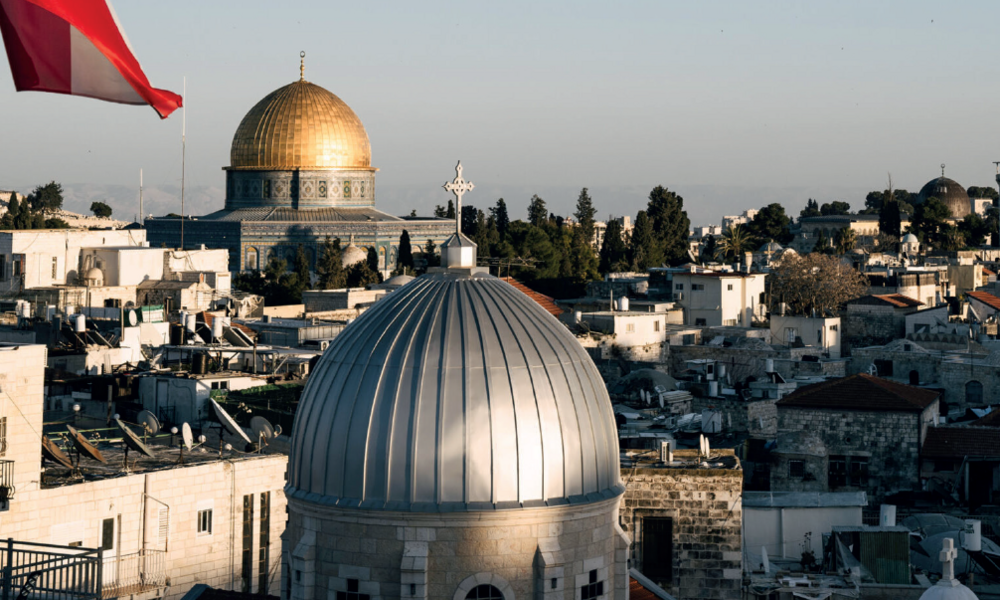
The ties between Palestine, Israel and Austria have been intricately woven, influenced by pivotal historical events, especially throughout the long 19th and short 20th century. This period includes the era preceding the establishment of both states, when Vienna was a hotbed for political Zionism. Diplomatic relations between Israel and Austria, established in the 1950s, were often fraught, shaped by Austria's approach to Nazi war crimes, its policies towards Holocaust survivors, and particularly its persistent refusal of restitution and compensation. Another critical dimension of Austrian-Israeli relations was Austria's 1955 declaration of neutrality and its subsequent efforts to maintain balanced relationships with Arab nations, which necessitated a cautious approach towards Israel. This neutrality policy occasionally strained relations with Israel, particularly during Bruno Kreisky's chancellorship (1970-1983). Also, since the 1970´s Vienna was a hub of migration from USSR to Israel. The 1986 election of Kurt Waldheim as president, amid controversy over his wartime record, marked a further deterioration in relations, as did the political ascent of the FPÖ, a party founded by former National Socialists and led by Jörg Haider, especially during its governmental participation from 2000 to 2007. A significant shift occurred in recent years when the conservative government under Chancellor Sebastian Kurz, following Germany's precedent, declared solidarity with Israel to be a matter of Staatsräson. Overall, the relationship between Israel and Austria is one that has evolved from a complex and troubled past, moving towards a more cooperative and mutually respectful present, while still navigating the shadows of history.
Montag, 16.11.2026
Interntional Conference: Israel and Austria, 16–17 November 2026, Vienna


©Meik. Foto: Esraa Shehata
Unsere Geschichte(n): Grazer Jugendliche beforschen ihre Familiengeschichten

©Dusa Dinic - stock.adobe.com